Blended Learning Strategies That Work in Real Classrooms

For a long time, the classroom was a simple place. A teacher stood at the front of the room, and students listened. But today, with the internet and new technology, the classroom is a much more dynamic and a much more exciting place. The way we learn and teach has changed, and a new method of education, called blended learning, is leading the way.
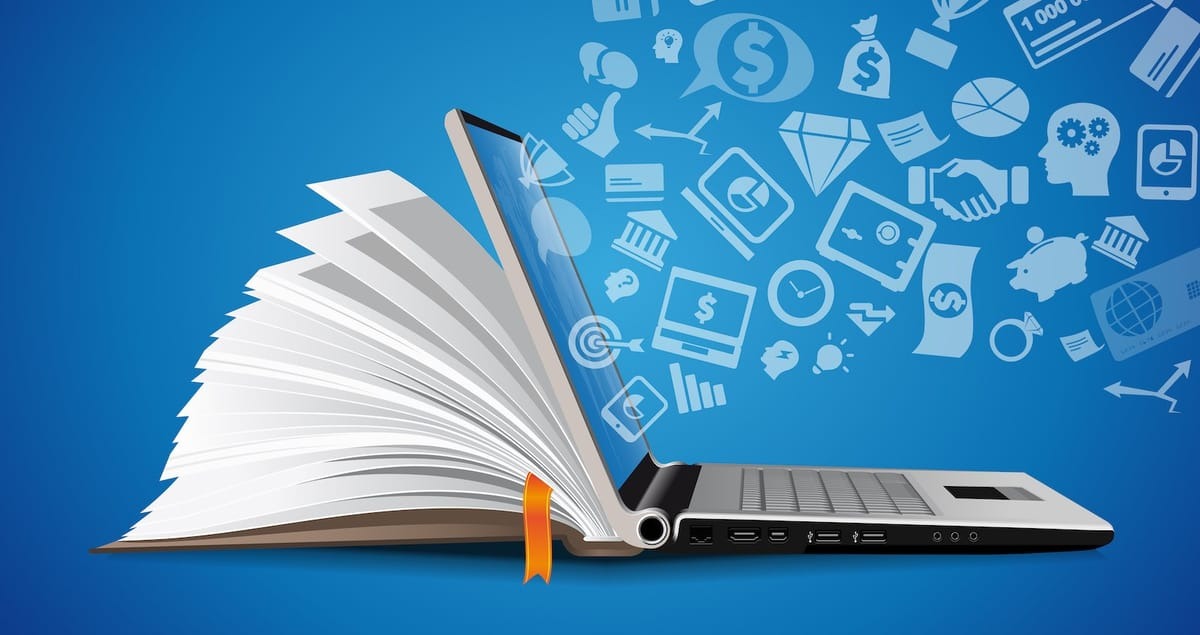
Blended learning is a method of education that mixes the best of online learning with the best of traditional, in-person classroom learning. It is not just about giving a student a computer and telling them to learn. It is about a smart and effective mix of a live teacher, a physical classroom, and digital tools. This article will take a deep dive into blended learning strategies that are proven to work in real classrooms. We will explore the different models of blended learning, the benefits for students and teachers, and a few simple tips on how you can make it a success.
What Is Blended Learning? The Best of Both Worlds
Blended learning is a method of education that combines a traditional classroom with a digital one. In a blended learning classroom, a student spends some of their time in a classroom with a teacher and their classmates, and they spend some of their time learning online. The online part of the learning is not just a video; it is a key part of the learning that a student has to do on their own.
Blended learning is a new and a very effective way to learn. It gives a student the chance to have the best of both worlds. They get to have a personal connection with a teacher and their classmates, and they also get to have the flexibility and the personalization of online learning.
The Benefits of Blended Learning
Blended learning has a lot of benefits that a traditional classroom does not have. It has changed the way we think about education.
Personalized Learning
One of the biggest benefits of blended learning is personalized learning. In a blended learning classroom, a student can learn at their own pace. A student who learns fast can work on more advanced material, and a student who is struggling with a topic can get more practice and extra help. A teacher can use a digital tool to see what a student is struggling with, and they can then give a student a more personal and a more focused help. This level of customization ensures that every student gets a learning experience that is perfect for them.
More Flexibility
Blended learning also gives a student more flexibility. A student can learn online from home, and they can learn in a classroom with a teacher. This is especially good for students who have a busy schedule, a job, or a family. A student can watch a video lecture from home, and they can then come to class to work with their teacher and their classmates. This flexibility has made education more accessible to everyone.
Better Engagement
Blended learning can also make learning more fun and engaging. The use of digital tools, games, and videos can make a lesson more interesting. A student can use a computer to do an interactive simulation, to play an educational game, or to watch a video that explains a complex topic. This can help a student to be more engaged and to remember the information for a much longer time.
Blended Learning in Action: Models That Work
There are a few different ways that a teacher can use blended learning in their classroom. These different ways are called models.
The Station Rotation Model
In the Station Rotation Model, a classroom is divided into a few different “stations.” A student spends a set amount of time at each station. At one station, a student might work on a computer, at another station, a student might work with a teacher, and at a third station, a student might work on a project with a group of friends. The students rotate between the stations, and they all get to have a mix of online and in-person learning. This model is a great way to give a student a lot of different ways to learn.
The Lab Rotation Model
In the Lab Rotation Model, a class is split. One half of the class goes to a computer lab to learn online, and the other half of the class stays in the classroom with the teacher. The next day, the two groups switch. This model is a great way to give a student a lot of time to learn online and a lot of time to learn in person. It also gives a teacher a lot of time to work with a small group of students.
The Flipped Classroom Model
The Flipped Classroom Model is a very popular model of blended learning. In this model, the homework is the class, and the class is the homework. A student watches a video lecture at home, and they come to class to work on their homework and to ask questions. This model is a great way to use the class time for a more hands-on and a more personal learning. A teacher can use the class time to work with a small group of students and to help them with their problems.
The Individual Rotation Model
In the Individual Rotation Model, every student has their own learning plan. A student can learn online, and they can work with a teacher. They can move between the different learning activities at their own pace. This model is a great way to give a student a lot of control over their learning.
Practical Tips for Teachers: Making Blended Learning a Success
For a teacher, using blended learning can be a bit of a challenge. But with a few simple tips, it can be a huge success.
- Tip 1: Start Small. A teacher should not try to do everything at once. They should start with a simple model, like a station rotation, and they should slowly add more to it.
- Tip 2: Use the Right Tools. A teacher should use the right EdTech tools for their class. They should use tools that are easy to use, that are fun for students, and that have a lot of good lessons.
- Tip 3: Be a Facilitator, Not a Lecturer. In a blended learning classroom, a teacher’s role is not to just give a lecture. A teacher’s role is to help students, to answer their questions, and to guide them in their learning.
- Tip 4: Communicate Clearly. A teacher should communicate clearly with students and parents about the blended learning model. They should let them know what the schedule is, what the expectations are, and how they can get help.
The Challenges of Blended Learning
While blended learning has a lot of benefits, it also has a few problems that we need to be careful about.
- The Digital Divide: Not all students have access to the internet or to a computer at home. This can be a huge problem for blended learning. We have to make sure that every student has access to the tools they need to be a part of the class.
- The Need for Training: Teachers need to be trained to use new tools and to change their way of teaching. This can be a challenge.
- The Human Touch: Blended learning should not replace the human touch of a teacher. A teacher is a crucial part of a student’s learning, and they provide the personal connection and the emotional support that a student needs.
Conclusion
Blended learning is a new and powerful way to learn that is changing education for the better. It is a method of education that mixes the best of online and in-person learning, and it has a lot of benefits for students and teachers. It is a way to create a more personalized, more flexible, and a more engaging learning experience for everyone. While it has its challenges, the future of blended learning is a very bright one. It is a way to make sure that a student gets a learning experience that is perfect for them.








Post Comment