Eco-Friendly Fabrics You Should Look Out For
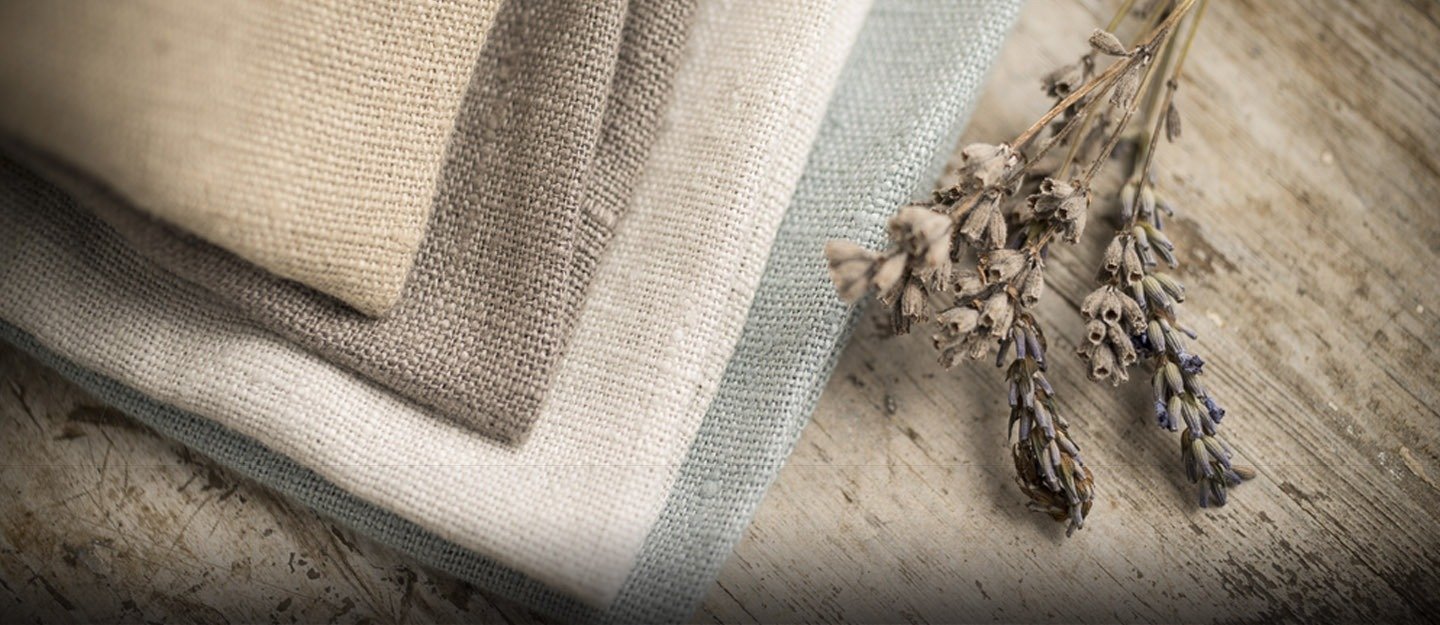
When you buy a new piece of clothing, do you ever think about what it’s made of? Most clothes today are made from fabrics like polyester and conventional cotton, which can have a big negative impact on our planet. But as more people become aware of this, the fashion world is changing. There is a growing number of eco-friendly fabrics that are better for the environment. By choosing these materials, you can look great while also helping to protect the planet.
Why Fabric Choice Matters for the Planet
The type of fabric a piece of clothing is made from can tell you a lot about its environmental impact.
- Water Usage: Some fabrics, like traditional cotton, need huge amounts of water to grow and process.
- Chemical Pollution: The farming of certain plants and the dyeing of fabrics often involve harsh chemicals and pesticides that can pollute our water and harm workers.
- Waste and Microplastics: Synthetic fabrics like polyester are made from oil and don’t break down easily. They can also release tiny plastic pieces called microplastics every time they are washed, which end up in our oceans and rivers.
- Energy Use: The production of some materials requires a lot of energy, which contributes to greenhouse gas emissions and climate change.
Choosing eco-friendly fabrics helps to solve these problems.
The Best Eco-Friendly Fabrics to Look For
Here is a look at some of the most popular and important sustainable fabrics that are making a difference in the fashion world.
1. Organic Cotton: A Better Choice
What it is: Organic cotton is grown without the use of harmful pesticides, fertilizers, and other chemicals. It comes from plants that are not genetically modified.
Why it’s eco-friendly:
- No Harmful Chemicals: This keeps our soil healthy and our water clean. It also protects the health of the farmers who grow it.
- Less Water Use: Organic farming methods often require much less water than growing conventional cotton.
- Soft and Breathable: It has all the qualities we love about cotton—it’s soft, comfortable, and great for sensitive skin—without the environmental cost.
2. Recycled Polyester: From Bottles to Blazers
What it is: Recycled polyester (often called rPET) is made from old plastic items, like water bottles. The plastic is cleaned, melted down, and spun into new fibers.
Why it’s eco-friendly:
- Reduces Waste: It keeps plastic waste out of landfills and oceans.
- Less Energy Use: Making recycled polyester uses much less energy than making new polyester from oil.
- A Second Life for Plastic: It gives a new and useful purpose to something that would have otherwise polluted the earth for hundreds of years.
3. Tencel (Lyocell): A Fabric from Trees
What it is: Tencel is a brand name for a fabric called lyocell, which is made from wood pulp—most often from eucalyptus trees. The process is a “closed-loop” system, which means that the water and chemicals used are recycled and used again.
Why it’s eco-friendly:
- Sustainable Sourcing: The eucalyptus trees used for Tencel grow quickly and don’t need a lot of water or pesticides.
- Closed-Loop Production: This process is extremely efficient and has very little waste.
- Soft and Strong: Tencel is known for being incredibly soft, breathable, and strong, making it a great choice for all kinds of clothes.
4. Linen: The Ancient Eco-Hero
What it is: Linen is a natural fabric made from the fibers of the flax plant. It has been used for thousands of years and is a true classic.
Why it’s eco-friendly:
- Low Water and Energy Needs: Flax plants require very little water to grow and don’t need pesticides.
- All Parts of the Plant are Used: Nothing is wasted. The flax plant can be used to make everything from fabric to paper and oil.
- Durable and Biodegradable: Linen is a very strong fabric that lasts a long time. When you are finally done with it, it can break down naturally without harming the environment.
5. Hemp: A Resilient Plant
What it is: Hemp fabric is made from the fibers of the hemp plant, a type of cannabis. It is a very fast-growing and strong plant.
Why it’s eco-friendly:
- Requires Almost No Water: Hemp plants can grow in many different climates and need very little water.
- Cleans the Soil: Hemp can actually help clean the soil it grows in by removing toxins.
- Durable: Hemp fabric is known for being extremely strong and durable, so clothes made from it will last for a long time.
How to Find and Choose Eco-Friendly Fabrics
- Read the Label: Look at the tag on your clothes. Brands that care about sustainability will often list the materials, like “100% Organic Cotton” or “Recycled Polyester.”
- Look for Certifications: Certifications like GOTS (Global Organic Textile Standard) for organic cotton, or the Bluesign® standard, which ensures the fabric was made in a way that uses less water and energy, are great signs of a responsible product.
- Support the Right Brands: Do a quick search online for “sustainable fashion brands” or “eco-friendly clothing.” Many brands are now focused on using these materials and are transparent about their practices.
By becoming aware of the fabrics you wear, you can start making small changes that have a big impact. Choosing clothes made from organic cotton, recycled polyester, Tencel, linen, or hemp is a simple way to use your buying power to support a cleaner, healthier planet.













Post Comment